HOW PARKLINQ STARTED
A dream move.A local purpose.
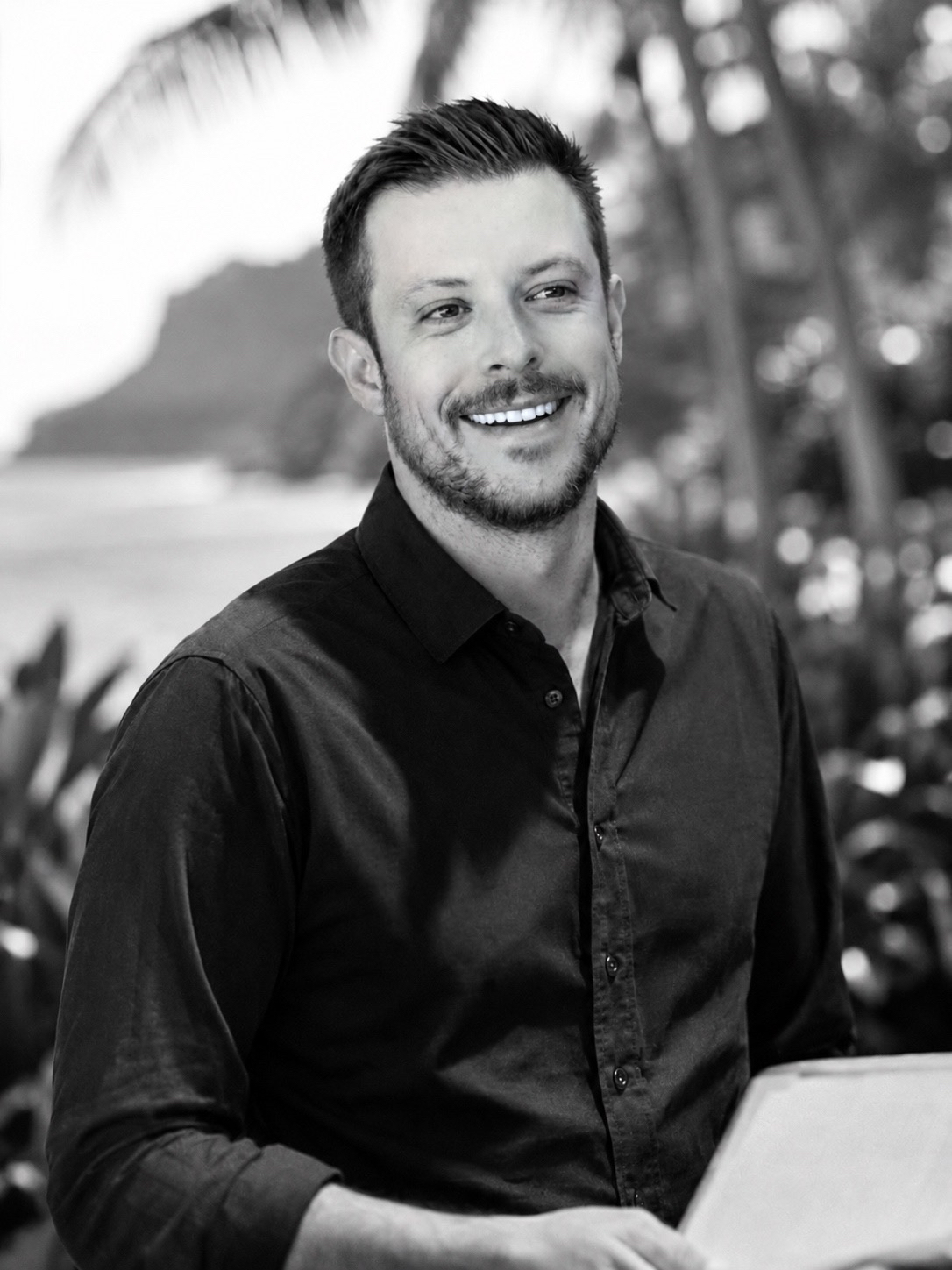
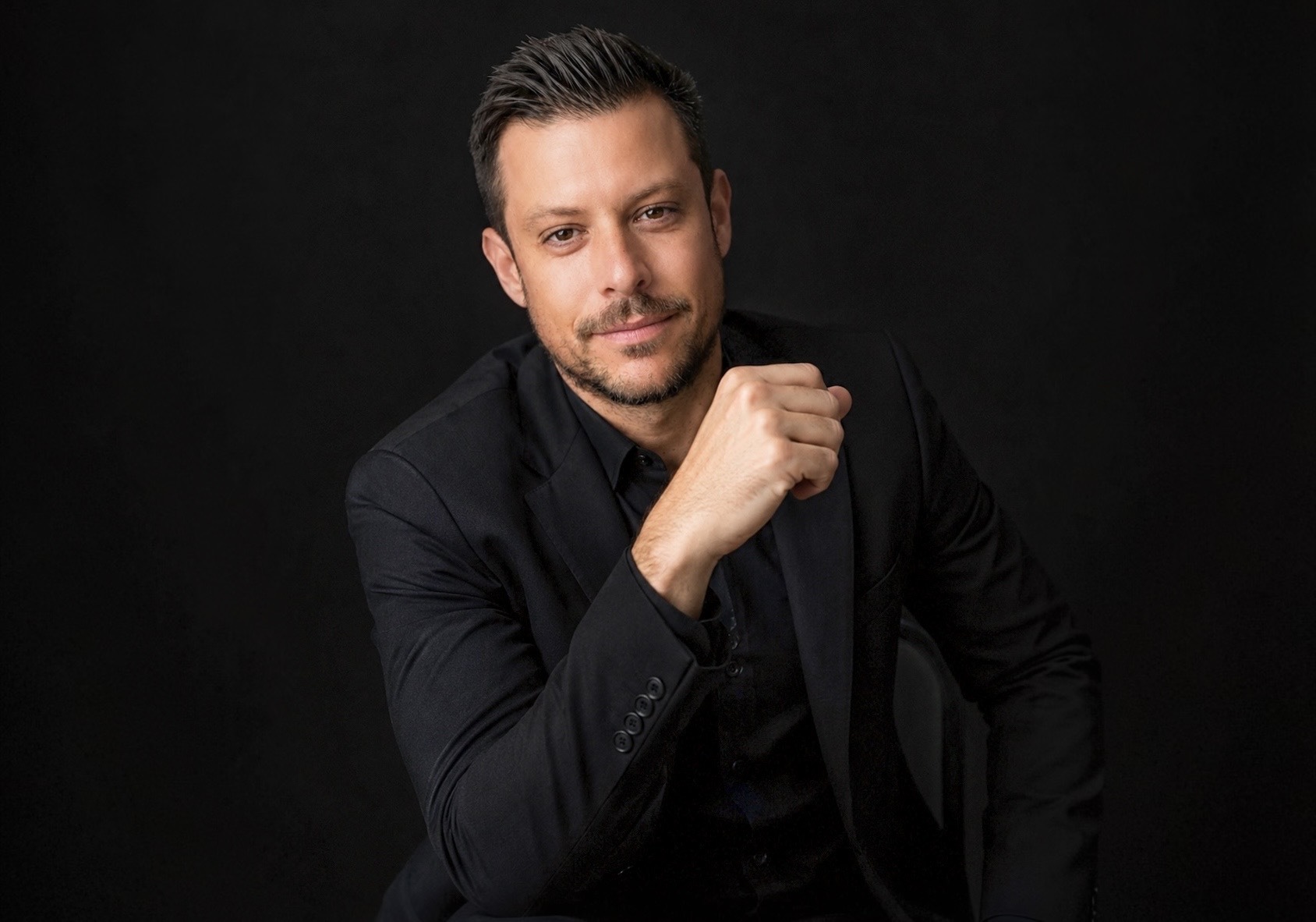
At 22, a job promotion gave Tyler Saenz the chance to fulfill a lifelong dream: moving to Hawaiʻi. He loved the beaches, the people, the food and the work. Finding affordable parking was another story.
An $80-a-month handshake arrangement for a nearby driveway became the beginning of PARKLINQ. He used his 401(k) savings to launch the startup and hand-painted the first parking spaces himself. What started as a way to help family, friends and employees grew into a business serving properties and their customers across the state.
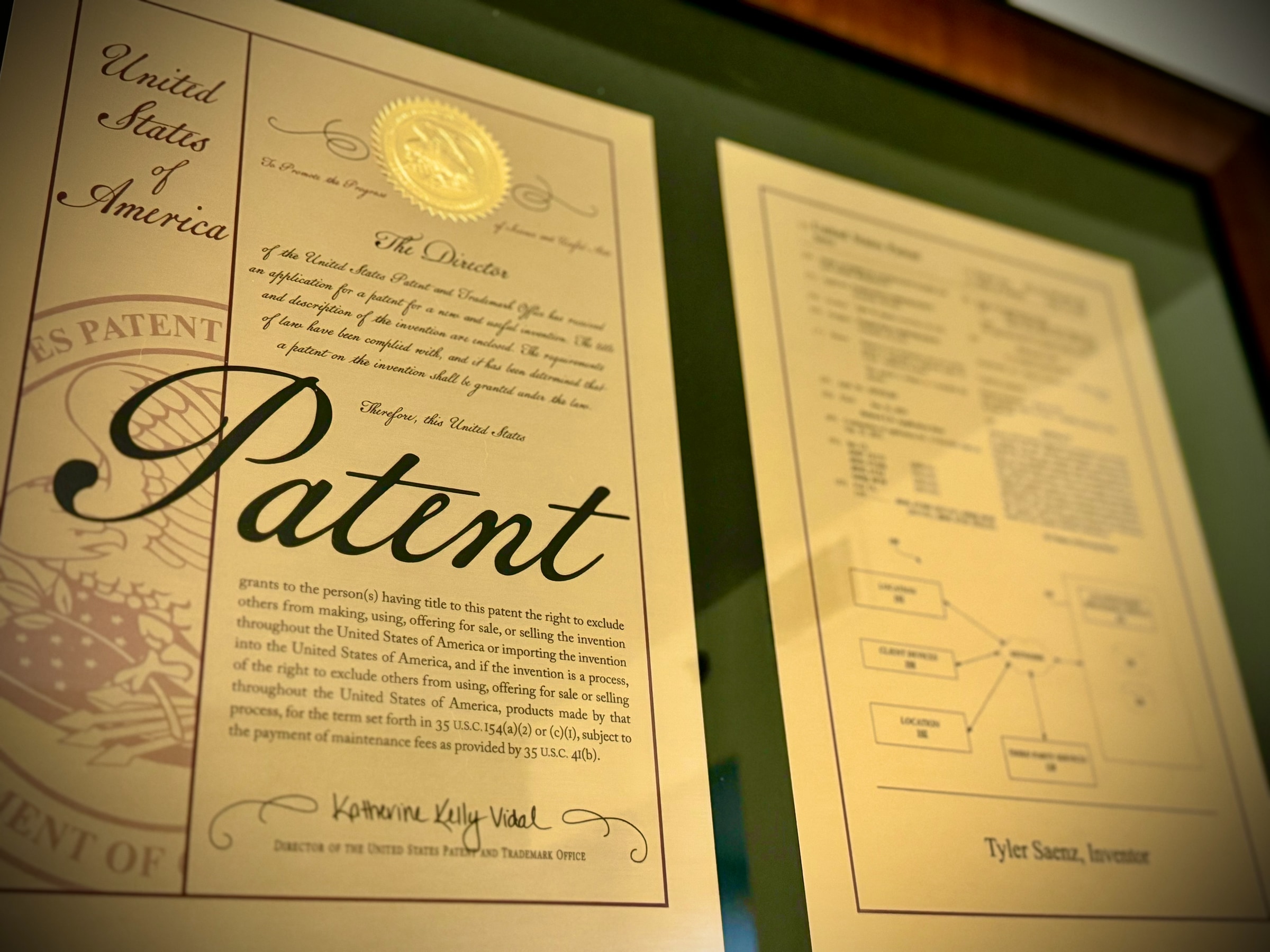
Today, PARKLINQ holds two U.S. patents and serves more than three million parking customers at over 50 Hawaiʻi locations. From one local problem to a world-first technology.
Read the full storyClose the full story
When his dad visited, they planned a beach day in Waikīkī and dinner at Duke’s. Plenty of spaces sat empty, but restrictions kept them out. After 90 minutes searching, they gave up and barbecued at home. Coworkers and friends faced the same problem: daily parking could cost $40–$50.
Tyler had seen the other side: his two stalls sat empty while his car was being shipped to Hawaiʻi. Coworkers who walked or rode mopeds had unused spaces, too. When his monthly parking access failed, a nearby driveway became an $80-a-month handshake arrangement. That entire month cost roughly two days at Honolulu’s $42 average daily parking rate—.
He called his dad: could an Airbnb-style service for driveways work? His encouragement helped turn the idea into PARKLINQ. Tyler used his 401(k) savings to launch and hand-painted the first parking spaces himself.
Tyler introduced PARKLINQ to the City and County of Honolulu in December 2017. Its February 2018 reply welcomed the local initiative and invited a discussion about collaboration—encouragement to keep going.
Along with the city’s encouragement came a clear request from a visitor destination: paid parking without charging locals. PARKLINQ developed the technology to make it possible, giving the original idea a lasting purpose:
How do we welcome millions of visitors without pricing locals out of the communities they call home?
A problem shared by Tyler, coworkers, friends and residents across Hawaiʻi called for a practical answer: welcome paying visitors while keeping parking accessible for locals. With , residents hold their Hawaiʻi ID in front of their phone’s camera. If they qualify, they get the property’s free time, discount or preferred parking.
Today, private owners and local governments embrace resident parking programs, with support from the community, clients and a team proud of the work.